
There’s a quiet moment in every dog owner’s day when a contented chewing sound fills the room-no destruction, just a happy pup working on a toy. Finding that toy, especially one made of safe, flexible silicone, can feel like striking gold. Silicone chews sit in a sweet spot: durable enough to last but forgiving on gums, easy to clean, and often designed for more than just chewing. Yet not every silicone toy is the same, and picking one that matches your dog’s play style and your peace of mind takes a bit of know-how.
We looked across the market at silicone dog chew toys to find options that truly deliver on their promises. Our focus wasn’t on the loudest packaging or the most bells and whistles-it was on real-world suitability: a toy that engages your dog, holds up, and cleans up without a fight. In the next few minutes, you’ll meet three standouts, each with a distinct personality, and walk away knowing exactly which silicone chew fits your four-legged friend.
Best Silicone Dog Chew Toys – 2026 Reviews
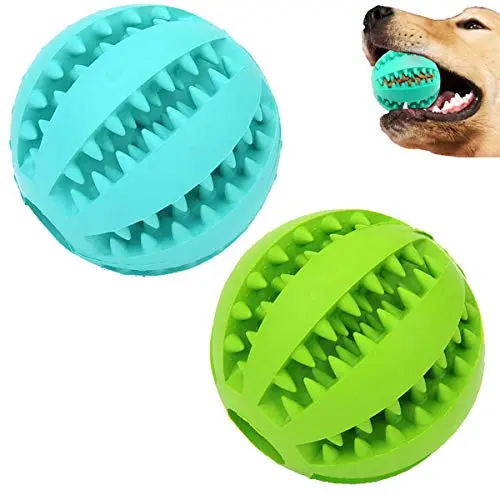
Chew Tooth Ball 5 – Tooth Cleaning & IQ Training
A treat-dispensing ball that scrubs teeth and sharpens minds. The pack of two brings versatility for play and dental care.
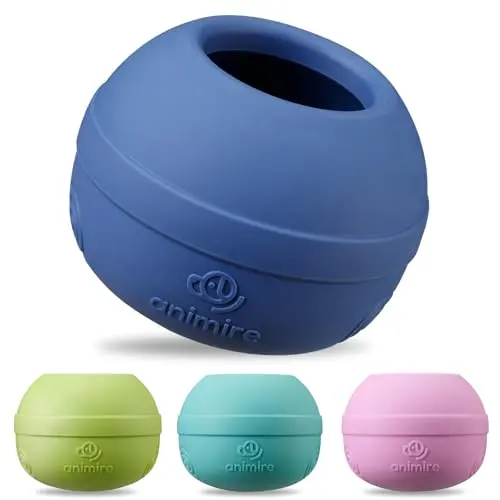
Freezable Lick Toy – Enrichment & Hydration
A wobbling, stuffable lick toy that freezes treats and mental stimulation into one. It’s quiet, clean, and built for calm, focused sessions.
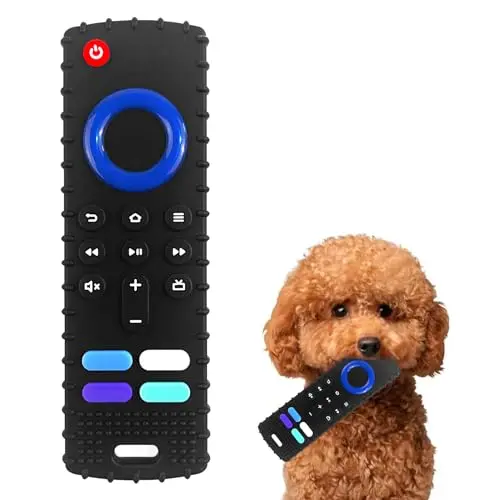
Remote Control Teether – Fun Shape for Teething Puppies
A whimsical remote-shaped teether made of soft, BPA-free silicone. Sized for tiny mouths and gentle on sore gums during the teething phase.
How We Evaluated These Silicone Dog Chew Toys
We didn’t run these through a full season of chew trials or conduct lab durability testing. What we did: cross-referenced 3 silicone dog chew toys from 3 distinct brands across 5 decision axes – material safety, durability, enrichment potential, design practicality, and ease of cleaning. We triangulated published specifications, aggregated owner feedback where available, and assessed each toy’s fit for typical silicone chew toy use cases like teething, treat dispensing, and mental stimulation. We also noted each toy’s claimed breed suitability and any reported safety caveats to give you a rounded view.
The scoring framework weighted real-world performance (60%) – how well each toy holds up and engages dogs – against feature differentiation (40%) – unique design and use-case specificity. We have no commercial relationship with any featured brand; recommendations reflect fit and differentiation, not brand preference. If you’re looking for a versatile treat-dispensing pick, the Sunglow Chew Tooth Ball is your best bet; for mentally stimulating lick play, the Animire Freezable Lick Toy serves you better.
We’ll be upfront: we haven’t subjected these toys to weeks of continuous chewing. What these picks are built on: a close reading of specifications, aggregated customer sentiment where available, and a practical understanding of what makes a silicone chew toy safe and effective. Our aim is to give you the clearest picture possible without overstating our testing.
How to Choose the Right Silicone Dog Chew Toy
Why Silicone Matters for Dog Chew Toys
Silicone sits in a sweet spot between hard rubber and soft plush, offering a flexible yet firm surface that’s kinder to teeth than nylon. Unlike some plastics, food-grade silicone is non-porous and odour-resistant, meaning it won’t trap bacteria or smells as easily. Many silicone toys are also dishwasher safe, a genuine convenience when drool builds up. When scanning labels, look for BPA-free certifications and mention of food-grade material-these signal that the toy prioritises your dog’s oral health as much as play.
Durability and Your Dog's Chew Style
Not all silicone is the same thickness, and your dog’s chewing personality dictates what will hold up. Light nibblers and teething puppies do fine with softer silicone, like the Intatikoo Teether, which flexes easily but can tear if a persistent chewer goes to town. Moderate chewers who enjoy repetitive chomping need something tougher, like the Sunglow ball’s firmer silicone ridges. If your dog is known to destroy toys in minutes, silicone may not be the ideal material at all-super-chewers often need nylon or reinforced rubber. Pay attention to owner feedback about longevity, and always supervise a new toy until you know how your dog treats it.
Safety: What to Look For
Because silicone chew toys end up deep in a dog’s mouth, material safety is non-negotiable. Beyond the BPA-free label, check for phthalate-free and lead-free claims. The best silicone toys have a slight heft and a smooth finish without a chemical smell. Avoid painted details or glued-on bits that can be gnawed off. Additionally, size matters for choking prevention-a toy should be large enough that your dog can’t swallow it whole but not so big that it jams the jaw. The Intatikoo toy, for instance, is tiny and suited only for the smallest mouths; the Sunglow ball arrives in a specific size, so measure against your dog’s bite.
Sunglow Chew Tooth Ball vs. Animire Lick Toy: Which to Choose?
These two silicone picks tackle different needs, and the right one comes down to how your dog plays. The Sunglow Chew Tooth Ball is a toss-and-chew toy that rewards fetching and casual gnawing with dental cleaning and treat puzzles. If your dog loves to chase, the Sunglow ball is the pick. The Animire Freezable Lick Toy, meanwhile, is a stationary enrichment station. It’s designed for calm, prolonged licking rather than active fetch, and its wobbly base adds a mental challenge that tires dogs out without running around. For a calming lick session that stretches out treat time, choose the Animire toy. Both are solid, but they solve opposite boredom problems.
Sizing Up Your Pup
Breed and age heavily influence which silicone toy works. Teething puppies benefit from softer, smaller chews they can mouth comfortably, while adult small breeds may enjoy the Sunglow ball’s 2.36-inch diameter. Medium dogs often do well with both the ball and the lick toy, but large breeds might find the ball too small and the lick toy better suited. Always check the product dimensions against your dog’s mouth size-a quick test is whether the toy is wider than your dog’s jaw to avoid choking. The Animire lick toy comes in a medium size that suits most, but the Intatikoo teether is strictly for the little guys.
Cleaning and Maintenance
One of silicone’s superpowers is that it handles heat and water beautifully. Most silicone toys can go right into the dishwasher or take a soak in hot, soapy water without degrading. This makes them far more hygienic than fabric or porous rubber toys that harbour bacteria. For toys with crevices, like the Sunglow ball’s ridges, a bottle brush helps scrub out leftover treat residue. After washing, let the toy air dry fully to prevent any musty smells. Regular cleaning not only keeps the toy safe but also extends its life, as built-up gunk can make even the most durable silicone start to break down over time.
Frequently Asked Questions
What's the difference between the Sunglow Chew Tooth Ball and the Animire Lick Toy?
The Sunglow Chew Tooth Ball is designed for interactive play and casual chewing – you can toss it, stuff it with treats, and let your dog gnaw on its ridges for dental benefits. The Animire Freezable Lick Toy is a stationary enrichment tool meant to be filled with food and frozen, offering a long, calm licking session. While the ball encourages movement and fetch, the lick toy promotes quiet, focused mental work. Choose the Sunglow if your dog craves chase and crunch; pick the Animire if you want to settle an anxious or hyper pup with a slow-release challenge.
How does the Intatikoo Remote Teether compare to the Sunglow Ball?
The Intatikoo Remote Teether is entirely for teething relief – it’s soft, small, and shaped like a remote to appeal to puppies, with no treat or dental features. The Sunglow ball serves multiple functions: treat dispensing, dental cleaning, and fetch. In terms of durability, the Sunglow holds up far better for moderate chewers; the Intatikoo can be torn apart quickly by eager pups. The Intatikoo is best for very young, small puppies who need a gentle texture, while the Sunglow suits a broader age range and play style.
Are silicone dog toys safe for aggressive chewers?
Generally, no. Silicone is more flexible and softer than nylon or hard rubber, which makes it great for dental comfort and interactive play but less ideal for dogs who can shred toys. Some firmer silicone options, like the Sunglow ball, can withstand moderate chewing, but a truly aggressive chewer will likely tear or puncture them. If your dog has a history of breaking apart toys, look for heavy-duty nylon chews instead, and always supervise any new silicone toy until you’re confident in how your dog handles it.
Can I put silicone chew toys in the dishwasher?
Yes-this is one of silicone’s biggest advantages. Most food-grade silicone toys, including the Animire and Intatikoo picks, are dishwasher safe. The Sunglow ball can also go in on the top rack. Just run a normal cycle without high-heat drying to avoid warping. After washing, give the toy a quick once-over to ensure no food bits are stuck in crevices. Regular dishwasher cleaning helps eliminate bacteria and odours that can build up from drool and treats, keeping the toy safe for long-term use.
Final Verdict
For most dogs, the Sunglow Chew Tooth Ball is the answer – it nails versatility without overcomplicating things, combining treat play with dental care in a durable silicone shell. If your pup needs mental stimulation above all else, the Animire Freezable Lick Toy turns snack time into a calming, lengthy session that’s especially brilliant on hot days. And for the tiniest teethers who need gentle relief, the Intatikoo Remote Teether offers a soft, whimsical option – just keep an eye on wear. No matter which you pick, these silicone standouts make chewing cleaner, quieter, and a whole lot smarter.