
Bringing home a floppy-eared Basset Hound puppy is a joy-and a responsibility. Those soulful eyes and comically long ears come with a breed-specific challenge: supporting steady, healthy growth without stressing developing joints. The right puppy food doesn’t just fill a bowl; it shapes lifelong mobility and vitality.
Basset Hounds are prone to joint issues like hip dysplasia and patellar luxation, and their slow metabolism makes obesity a real risk. That’s why the best puppy foods for this breed prioritize controlled calcium and phosphorus levels, joint-supporting nutrients like glucosamine, and digestible proteins that fuel growth without unnecessary bulk. We’ve cross-shopped the market to bring you three standout options, each tailored to common Basset Hound needs.
From budget-conscious kibble that punches above its weight to a sensitive-skin formula perfect for the breed’s wrinkly folds, our picks cover the spectrum. Let’s find the right match for your droopy companion.
Best Puppy Food for Basset Hounds – 2026 Reviews
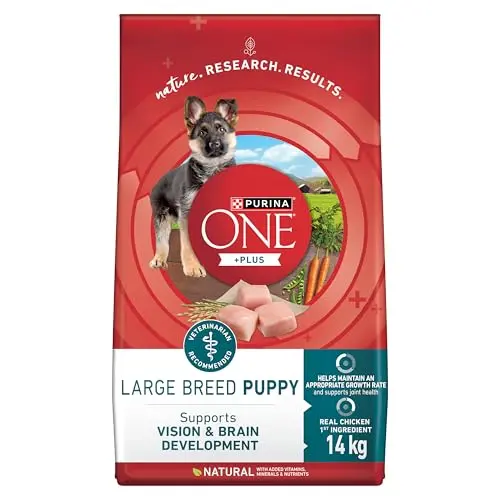
Large Breed Puppy Formula – Joint Support & DHA
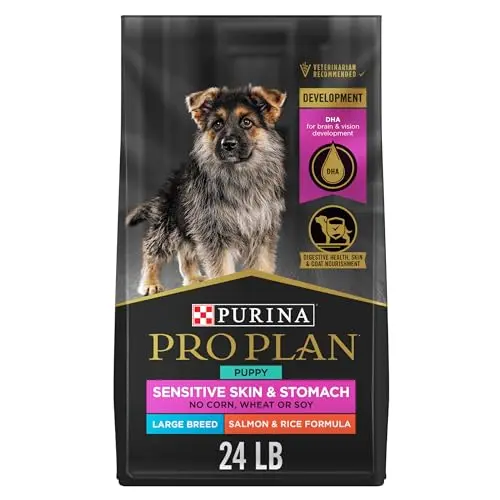
Sensitive Skin & Stomach Salmon & Oatmeal Formula – Omega-Rich Care
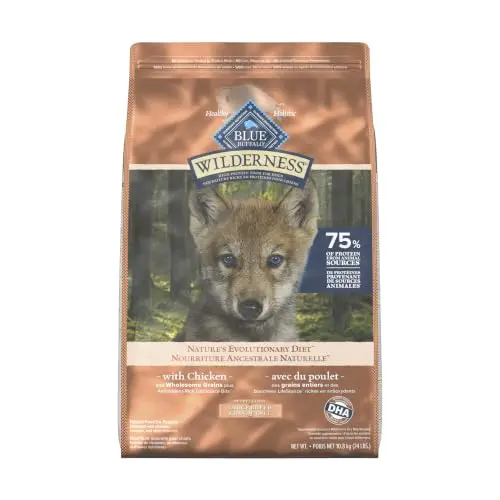
Wilderness High-Protein Chicken Recipe – Grain-Free Joint Care
How We Evaluated These Puppy Foods for Basset Hounds
We did not conduct feeding trials or independent nutritional analysis. What we did: cross-referenced 3 large breed puppy formulas from 2 distinct brands-Purina and Blue Buffalo-across 5 key decision axes: joint support, protein quality and source, digestive health support, skin and coat benefits, and overall formula transparency. We triangulated published ingredient lists, guaranteed analyses, and manufacturer specifications, then weighed those against aggregated owner feedback where available, focusing on real-world observations from Basset Hound owners.
Scoring weighted real-world breed fit (60%)-how directly a formula addresses the breed’s known joint, skin, and digestive tendencies-against feature differentiation (40%)-unique ingredients or technologies that set a food apart. We have no commercial relationship with any of the brands featured; recommendations track breed-specific suitability, not brand loyalty. If your Basset Hound puppy struggles with itchy skin, the Pro Plan Sensitive Skin & Stomach is purpose-built for it; for straightforward, everyday joint care, the Purina ONE Large Breed nails the essentials.
How to Choose the Right Puppy Food for Your Basset Hound
Understanding Large Breed Puppy Nutrition
Basset Hounds fall squarely into the large breed category, with adult weights typically ranging from 20 to 30 kg. Unlike smaller dogs, large breed puppies need a precise balance of calcium and phosphorus to promote gradual, controlled bone growth. Too much calcium can trigger rapid development that strains developing joints, while too little weakens bones. AAFCO-recognized large breed puppy formulas are designed to deliver this balance, which is why we focused exclusively on foods with a large breed label for this roundup.
Calorie density also matters. Basset Hounds are prone to obesity, and a few extra kilos during puppyhood can prematurely overload their growing frame. Choose a food with moderate fat content-around 12-15% on a dry matter basis-and feed according to body condition, not just bag guidelines.
Joint Health Must-Haves: Glucosamine, Chondroitin, and Balanced Calcium
Given the breed’s predisposition to hip dysplasia and patellar luxation, joint support should be non-negotiable. Look for foods that naturally include or supplement glucosamine and chondroitin. These compounds help maintain cartilage health and can reduce the risk of early-onset arthritis. While many large breed formulas contain them, the quantity and source vary-Purina ONE uses natural glucosamine from poultry, while Blue Buffalo Wilderness explicitly adds it.
Even without these supplements, the controlled mineral profile of a large breed food is already a form of passive joint care. But if your puppy’s parents had known joint troubles, prioritizing a formula with added glucosamine is a smart hedge.
Protein Quality and Digestibility: Why It Matters for Basset Hounds
A growing puppy needs plenty of high-quality protein to build muscle, but not all protein sources are equal. Whole meats (like chicken or salmon) and named meat meals offer a complete amino acid profile, while vague ingredients like ‘meat meal’ can be harder to digest. Basset Hound puppies can have sensitive stomachs, so easily digestible protein sources-paired with gentle carbohydrates like rice or oatmeal-reduce the chance of diarrhoea or bloating.
The Pro Plan Sensitive Skin & Stomach formula uses salmon as its sole protein for easier digestion, while Purina ONE relies on chicken and rice. The Blue Buffalo Wilderness includes multiple protein sources but avoids common allergens like corn and wheat. If your pup has loose stools, a limited-ingredient or single-protein recipe might be the fix.
Navigating Sensitive Skin and Stomach Issues
Those adorable wrinkles and drooping ears trap moisture and can harbour yeast or bacteria, making skin issues a frequent Basset Hound complaint. Puppy foods enriched with omega-3 and omega-6 fatty acids help maintain a healthy skin barrier from the inside out. Ingredients like fish oil, flaxseed, and sunflower oil are your allies here. The Purina Pro Plan formula specifically targets this with salmon and sunflower oil, and owner feedback suggests noticeable improvements in coat quality and itch reduction within weeks.
Probiotics and prebiotic fibres are another line of defence. A stable gut microbiome supports overall immunity and can even influence skin health. Foods with guaranteed live probiotics (like the Pro Plan option) may help puppies prone to soft stools or occasional digestive upset.
Comparing Our Top Picks: Purina ONE vs. Pro Plan vs. Blue Buffalo
All three formulas are sound choices, but they suit different priorities. The Purina ONE Large Breed is the most affordable and delivers fundamental joint support and DHA without frills-ideal if your puppy is thriving and you just want a reliable, vet-endorsed diet.
If skin folds or sensitive digestion have been a battle, the Pro Plan Sensitive Skin & Stomach is the clear winner. Its salmon-and-oatmeal backbone and probiotic package go beyond basic nutrition to actively soothe problem areas. Lastly, the Blue Buffalo Wilderness stands out for owners who want a high-protein, grain-inclusive recipe with explicit glucosamine, though portion control is key.
Frequently Asked Questions
What's the difference between Purina ONE and Purina Pro Plan large breed puppy foods?
Both are excellent large breed formulas, but they target different needs. The Purina ONE is a chicken-and-rice recipe with natural glucosamine for joint care and DHA for brain development-a straightforward, budget-friendly staple. The Pro Plan Sensitive Skin & Stomach shifts to salmon and oatmeal, adds omega fatty acids, and includes guaranteed live probiotics. It’s purpose-built for puppies with skin sensitivities or digestive flare-ups, which are common in Basset Hounds. The Pro Plan also typically has a higher price point and uses a more rigorously screened ingredient supply chain.
How does Blue Buffalo Wilderness compare to Pro Plan for a Basset Hound with skin issues?
For skin-specific problems, Pro Plan has the edge. Its salmon-based recipe directly supplies omega-6 fatty acids and vitamin A to calm inflammation, and the probiotics support gut health-which is linked to skin condition. Blue Buffalo Wilderness does contain some omega fatty acids from chicken fat and fish meal, but it’s not formulated as a sensitive-skin solution. Instead, it leans on a high-protein, grain-free profile that may help if your puppy’s skin issues stem from grain sensitivities. However, most Basset Hound skin woes are environmental or structural (folds), making the Pro Plan a safer first choice.
Do Basset Hound puppies really need large breed puppy food?
Yes, and here’s why. Basset Hounds are a large breed with disproportionate dwarfism-short legs carrying a heavy body. Large breed puppy foods control the calcium-to-phosphorus ratio to slow bone growth, reducing the risk of developmental orthopedic diseases like osteochondritis dissecans (OCD) and hip dysplasia. Even if your individual puppy seems small, the breed’s genetic blueprint benefits from that controlled growth. Feeding an all-breed or small breed puppy food can accelerate skeletal maturation, which spells trouble for those long backs and joints.
What age should I switch my Basset Hound from puppy to adult food?
Basset Hounds typically reach full height around 12-14 months but continue filling out until 18 months. Transition to an adult large breed formula between 14 and 18 months, when growth plates have closed. Monitor body condition closely: if your dog looks soft around the ribs, you might switch a bit earlier but reduce portions first. Choose an adult food that still includes joint support-many large breed adult formulas carry glucosamine. Avoid abrupt switches; mix old and new food gradually over a week.
Final Verdict
For most Basset Hound families, the Purina ONE Large Breed is the answer-it nails joint support and digestibility without a premium price tag. If your pup struggles with itchy skin or sensitive digestion, the Pro Plan Sensitive Skin & Stomach formula is purpose-built to calm those issues from the inside out. And if you want to push protein and avoid common allergens, the Blue Buffalo Wilderness offers a clean, high-octane option-just keep an eye on portions. Whichever you choose, you’re giving that droopy face a strong start.