
Bringing home a Goldendoodle puppy is a whirlwind of bounding energy, curious sniffs, and those irresistible eyes begging for a taste of whatever you’re eating. But behind all that playfulness is a growing dog with specific nutritional demands-one that needs a diet supporting their rapid development, from strong bones to a sharp brain. The right puppy food matters more than you might think, and with so many options lining the shelves, it can be tough to sort the standout choices from the also-rans.
As a cross between a Golden Retriever and a Poodle, your Goldendoodle will likely be a medium-to-large dog, though mini variations exist. That means you’ll want a food tailored for a breed that’s going to put on some serious mass in those first months-something with enough protein for muscle growth, DHA for cognitive development, and a kibble size that won’t get lost in a big mouth. We surveyed the market, cross-referencing ingredient lists, nutritional profiles, and real-world puppy-parent feedback to put together a guide that cuts through the noise. Whether you’re after a premium everyday dry food or a topper to tempt a finicky eater, these are the best foods for your Goldendoodle pup.
Best Food for a Goldendoodle Puppy – 2026 Reviews
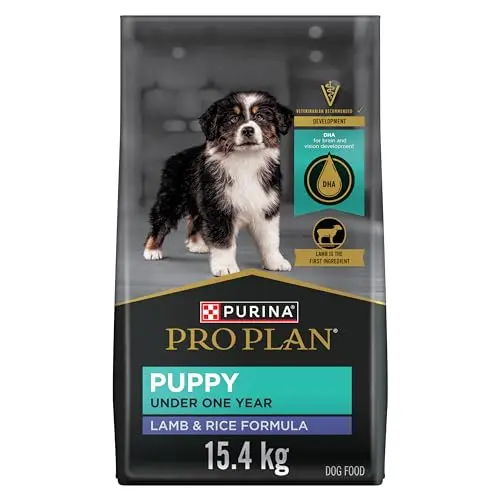
Development Lamb & Rice Formula – Complete Nutrition for Active Pups
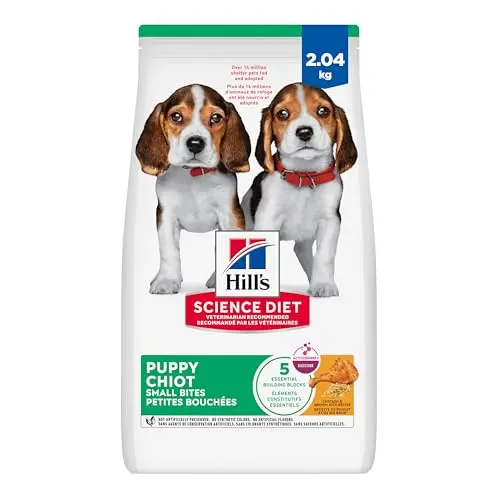
Puppy Small Bites Chicken & Brown Rice – Gentle on Delicate Stomachs
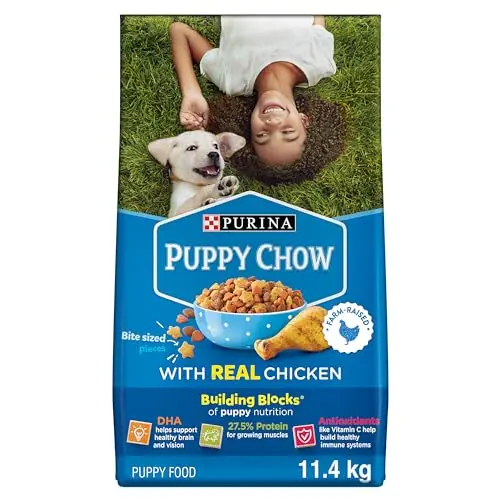
Complete Dry Puppy Food with Real Chicken – Affordable Daily Nutrition
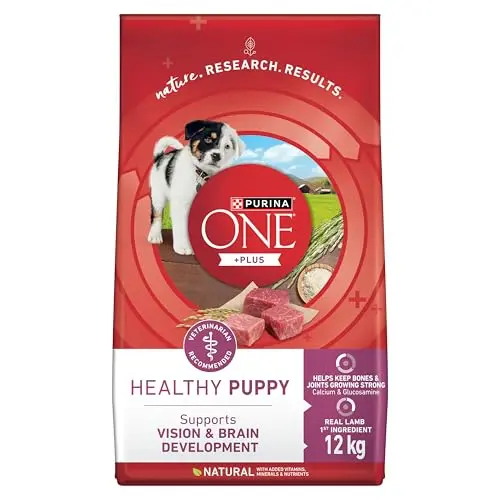
+Plus Healthy Puppy Lamb & Rice – Natural with Vitamins & Minerals
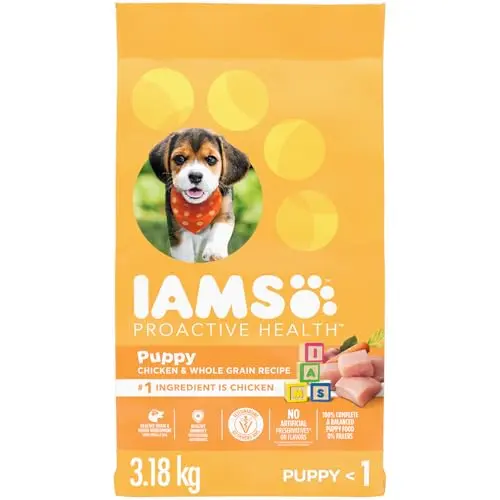
Proactive Health Chicken & Whole Grain – Everyday Nutrition for Puppies
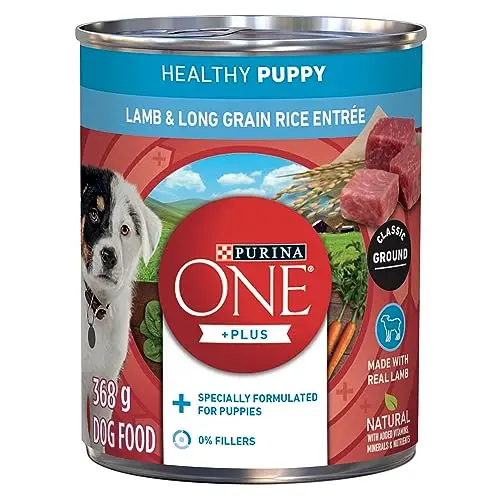
Classic Ground Wet Puppy Food Lamb & Rice – Savoury Topper or Mix-In
How We Evaluated These Foods for a Goldendoodle Puppy
We didn’t run controlled metabolizable-energy measurements or long-term growth trials. What we did: cross-referenced 6 puppy food models from 5 distinct brands across 6 decision axes – protein quality, DHA levels, digestive support (prebiotics/probiotics), ingredient transparency, kibble size suitability for a medium-to-large breed, and value. We triangulated published nutritional specifications, ingredient lists, and aggregated owner feedback where available, then weighed each option against the needs of a typical Goldendoodle puppy.
The scoring framework weighted real-world performance (60%) – how well each food supports healthy growth and digestion in a rapidly developing pup – against feature differentiation (40%) – unique additions like live probiotics, specific protein sources, or targeted digestive aids. We have no commercial relationship with any of the brands featured; recommendations track fit and differentiation, not brand preference. If you’re looking for a complete all-rounder, the Purina Pro Plan Lamb & Rice is our top pick; if your pup has a sensitive stomach, the Hill’s Science Diet Small Bites is purpose-built for digestive comfort.
How to Choose the Right Food for Your Goldendoodle Puppy
What to Look for in a Goldendoodle Puppy Food
Goldendoodles are a designer breed with a big personality and an equally big appetite. Their nutritional needs during puppyhood are shaped by their expected adult size-most will land somewhere between 45 and 70 pounds, so they’re firmly in the medium-to-large category. That means you need a food with enough high-quality protein to build muscle without overdoing calories. Look for a named animal protein first on the ingredient list (lamb, chicken, or fish), followed by whole grains, vegetables, and added nutrients like DHA. Avoid foods heavy on vague meat meals or excessive fillers that don’t contribute real nutrition.
Equally important is the calcium-phosphorus ratio, which should be balanced to support steady bone growth. Large-breed puppies are prone to skeletal issues if they grow too fast, so a formula designed for “all breed sizes” or “medium-breed puppies” is usually a safe bet. If you’re unsure, consult your vet-they can help you pinpoint the optimal nutrient profile for your specific pup.
Protein and DHA: Building Blocks for Your Pup
Two nutrients deserve a spotlight: protein and DHA. Protein is the workhorse behind muscle development, and puppies need more of it than adult dogs. Aim for at least 25% crude protein on the guaranteed analysis-foods like Purina Pro Plan and Puppy Chow hit that mark easily. DHA (docosahexaenoic acid) is an omega-3 fatty acid critical for brain and vision development; it’s naturally found in mother’s milk, and puppy foods often supplement it from fish oil. A DHA-rich diet during the first year can sharpen cognitive function, which matters for a smart, trainable breed like the Goldendoodle. Both the Purina Pro Plan Lamb & Rice and Hill’s Science Diet Small Bites prioritise these nutrients, making them standouts in this category.
Kibble Size: Why It Matters for Goldendoodles
Goldendoodle puppies go from teacup-small to near full-sized in months, and the ideal kibble size changes along the way. In the first 8-12 weeks, tiny kibble like Hill’s Science Diet Small Bites is perfect-easy to chew and less intimidating. As your puppy grows, you’ll want a kibble that encourages some chewing to promote dental health and slow down fast eaters. However, most all-breed formulas use a moderate-sized kibble that works through the whole puppy phase; our top pick, Purina Pro Plan, has a pellet that’s neither too small nor too large, suiting a Goldendoodle from weaning through adolescence. If you notice your puppy inhaling food without chewing, switching to a larger kibble or using a slow-feeder bowl can help.
Digestive Health: Prebiotics and Probiotics
Goldendoodles aren’t immune to the infamous puppy digestive rollercoaster. Switching foods, stress, or just a sensitive constitution can lead to loose stools and a grumbly tummy. That’s where prebiotics and probiotics come in. Prebiotics are fibres that feed beneficial gut bacteria, while probiotics are live beneficial bacteria themselves. Hill’s Science Diet uses a prebiotic fibre blend, and owners consistently note improved digestion. Purina Pro Plan goes a step further with guaranteed live probiotics, which can actively support gut flora. If your puppy has ongoing digestive issues, choosing a formula with these additives-or adding a probiotic supplement-can make a noticeable difference.
Wet vs. Dry Food for Goldendoodles
Dry kibble is the go-to for most owners: it’s convenient, cost-effective, and helps clean teeth. But wet food has its place, particularly for picky eaters or as a topper to boost hydration. Goldendoodles can be slightly finicky, and mixing a spoonful of Purina ONE Wet Lamb & Rice into dry kibble can transform mealtime. The trade-off is cost-wet food runs pricier per calorie-and storage; once opened, it needs refrigeration. Many owners use a 80/20 dry-to-wet ratio, reaping the palatability benefits without breaking the budget.
Comparing Popular Brands: Purina Pro Plan vs. Hill's Science Diet for Goldendoodles
These two heavyweights often top puppy food lists, and for good reason. Purina Pro Plan emphasizes high protein and includes live probiotics, with formulas like our top pick using lamb as the first ingredient. It’s typically more protein-dense and comes in large bags, which is economical for a growing breed. Hill’s Science Diet, on the other hand, leans heavily into precise nutrition with a prebiotic fibre blend and a long history of clinical research. Its kibble tends to be smaller, and it’s often recommended by vets for sensitive stomachs. For a Goldendoodle, both are excellent; your choice might hinge on whether digestion (go Hill’s) or protein/probiotic inclusion (go Pro Plan) is your priority.
How Much to Feed Your Goldendoodle Puppy
Feeding amounts vary by brand, so always follow the package guidelines and adjust based on your puppy’s body condition. A general rule: Goldendoodle puppies can be free-fed three times a day until about six months, then twice a day. Keep an eye on their ribs and waistline-you should be able to feel ribs without pressing hard, and there should be a visible tuck from the side. With a large bag like the Purina Pro Plan 15.4 kg, use the measuring cup and a consistent schedule. Puppies grow in spurts, so don’t panic if they seem extra hungry one week; it’s part of the process.
Frequently Asked Questions
What is the best overall food for a Goldendoodle puppy?
Our top recommendation is Purina Pro Plan Development Lamb & Rice Formula. It combines real lamb as the first ingredient, high protein levels, and the unique addition of live probiotics for digestive health. Owners consistently report dogs love the taste and thrive on it, and the large bag size makes it practical for a growing Goldendoodle. If your puppy has a sensitive stomach, the Hill’s Science Diet Small Bites is a fantastic alternative with prebiotic fibres.
How does Purina Pro Plan compare to Hill's Science Diet for Goldendoodle puppies?
Both are excellent, but they have different strengths. Purina Pro Plan focuses on high protein and includes guaranteed live probiotics, which actively support gut health. Its kibble is a moderate size, and it’s often available in large bags-good for a breed that eats a lot. Hill’s Science Diet uses a prebiotic fibre blend to nourish gut bacteria and is frequently recommended by vets for digestive sensitivity. Its kibble is on the smaller side, which some owners prefer for very young puppies but may outgrow. If your priority is digestive comfort, go Hill’s; if you want protein power plus probiotics, Pro Plan is the pick.
Is Purina ONE Puppy Lamb & Rice a good option for my Goldendoodle?
Yes, it’s a solid middle-ground choice. Purina ONE Lamb & Rice uses real lamb as the first ingredient, has no fillers, and includes DHA for brain development. It’s slightly less protein-dense than the Pro Plan but still provides complete nutrition. Owners find it highly palatable and gentle on digestion, thanks to oatmeal and rice. It lacks the live probiotics of Pro Plan, but if you’re looking for a quality lamb-based food that’s more affordable than premium lines, this is worth considering.
What should I look for in puppy food for a Goldendoodle with a sensitive stomach?
Look for prebiotic fibres (like beet pulp or chicory root) and/or probiotics on the ingredient list. Hill’s Science Diet’s prebiotic blend and Purina Pro Plan’s live probiotics both address digestion from different angles. Also, a limited ingredient list with a single novel protein (lamb or fish) and easily digestible carbs (rice, oatmeal) can help. Avoid formulas with a lot of legumes or exotic fillers until you know your puppy tolerates them. Starting with a small bag before committing to a large one is always prudent.
Can I mix wet and dry food for my Goldendoodle puppy?
Absolutely, and many owners do. Mixing a small amount of wet food like the Purina ONE Wet Lamb & Rice into dry kibble can make meals more enticing, add moisture to support hydration, and provide a texture change that picky eaters appreciate. Just adjust the dry food portion accordingly to avoid overfeeding. Wet food is more expensive per calorie, so using it as a topper rather than a full meal is the budget-friendly approach.
Final Verdict
For most Goldendoodle puppies, the Purina Pro Plan Lamb & Rice is the clear winner-it delivers high-quality protein, brain-nourishing DHA, and the digestive insurance of live probiotics in a recipe dogs genuinely love. If your pup’s tummy is a bit touchy, the Hill’s Science Diet Small Bites with its prebiotic fibres is purpose-built for digestive comfort. On a tighter budget, Purina Puppy Chow punches above its weight with a high protein count at a fraction of the price. And for the picky eater in your life, don’t overlook Purina ONE Wet Lamb & Rice as a mealtime topper-it’s the secret weapon that gets tails wagging. Whichever you choose, you’re giving your Goldendoodle a nourishing start to a long, happy life.