
Bringing a new puppy home is equal parts joy and chaos – and one of the first big decisions you’ll face is what to feed them. With so many puppy kibble options lining the shelves, it’s easy to feel overwhelmed. But the right food in those early months sets the stage for everything from brain development to digestive health, so it’s worth getting dialled in.
We scoured the market and narrowed the field to the top kibble formulas from trusted brands, comparing ingredient quality, breed-size fit, and the nutrients that matter most for growing pups. Whether you’ve got a teacup Chihuahua or a lanky Labrador, there’s a puppy kibble here that matches your needs – and we’ll help you find it without the guesswork.
Best Kibble for Puppies – 2026 Reviews
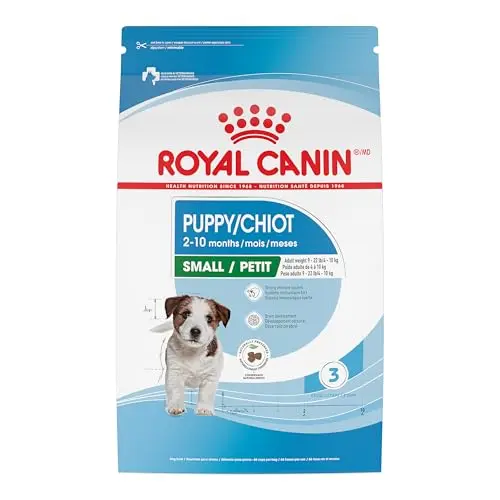
Size Health Nutrition Small Puppy – Tailored Growth Support
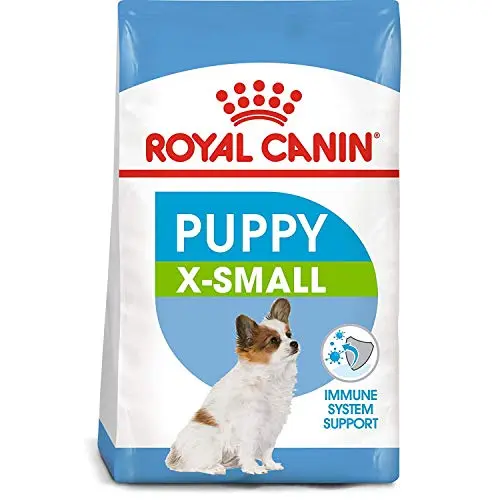
Size Health Nutrition X-Small Puppy – Ideal for Toy Breeds
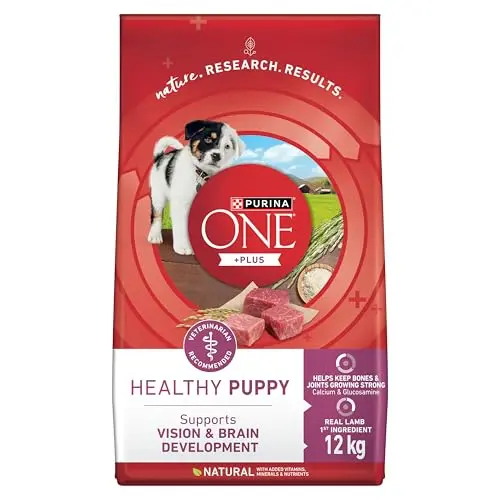
Plus Healthy Puppy Lamb & Rice – Gentle on Tummies
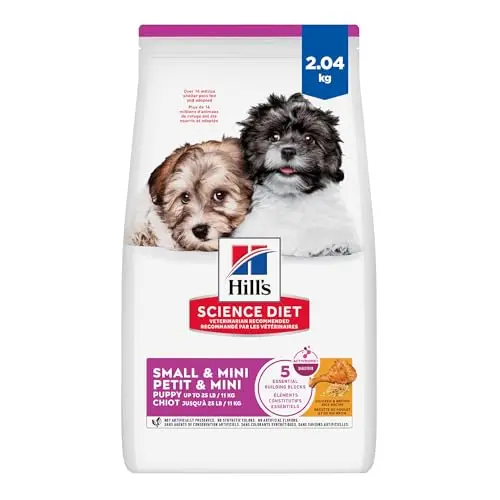
Small & Mini Chicken & Brown Rice – Vet-Recommended Foundation
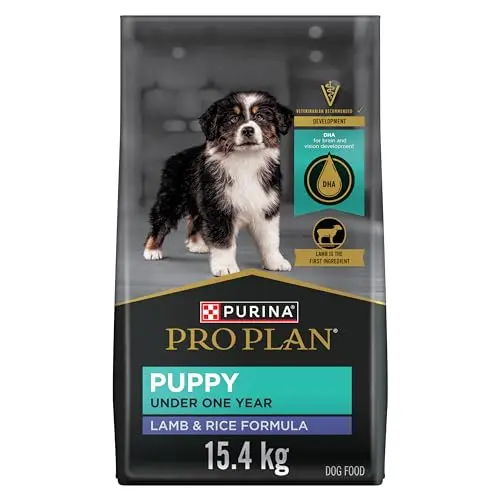
Development Lamb & Rice – Large-Breed Puppy Staple
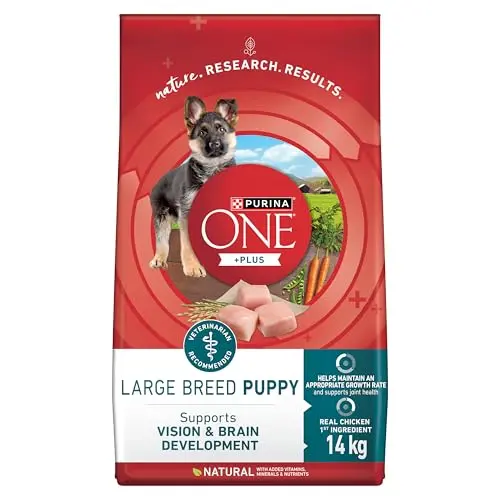
+Plus Large Breed Chicken – Joint-Supporting Growth
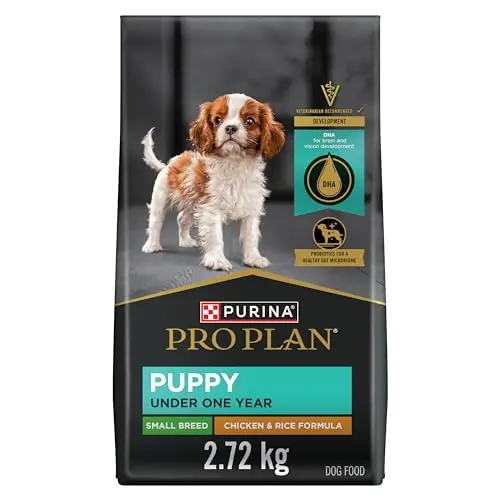
Development Small Breed Chicken & Rice – Tiny Kibble, Big Nutrition
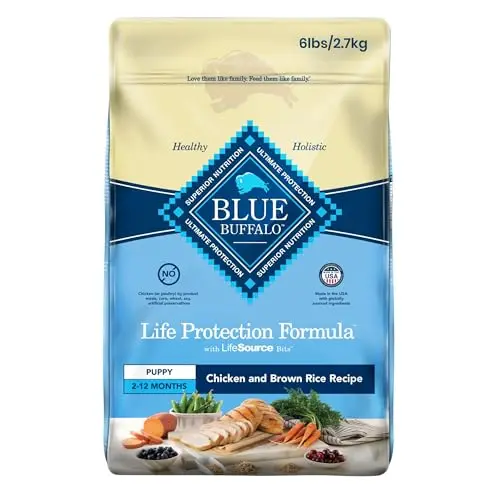
Life Protection Formula Puppy Chicken & Brown Rice – Wholesome Nutrition with LifeSource Bits
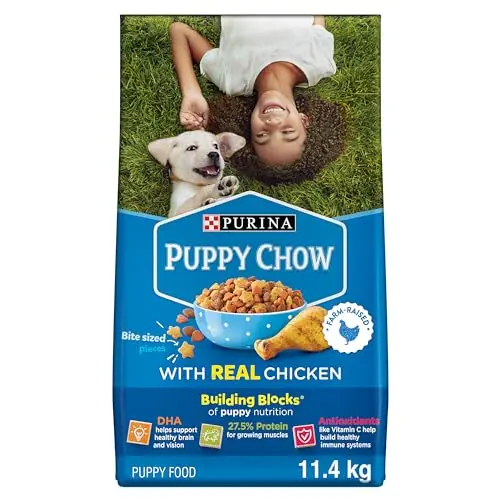
Complete with Real Chicken – No-Fuss Everyday Puppy Food
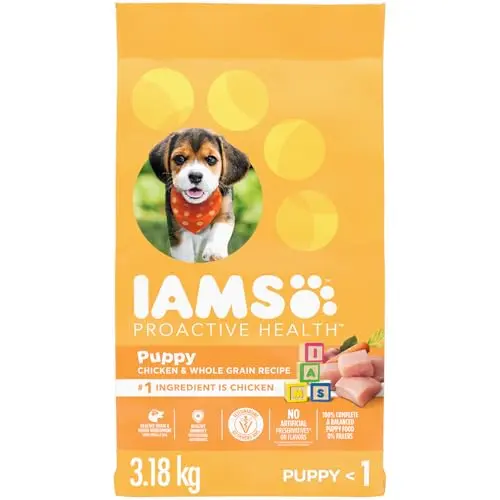
Proactive Health Puppy Chicken & Whole Grain – Budget-Friendly Starter
How We Evaluated These Puppy Kibble Picks
We didn’t run controlled feeding trials or long-term growth studies – that takes months and a lab coat. What we did: cross-referenced 10 popular puppy kibble formulas from 7 distinct brands across five critical dimensions. We mapped ingredient panels (real meat first vs. by-products), protein sources (chicken, lamb, or novel), breed-size kibble fit, DHA and omega fatty acid levels for brain development, inclusion of probiotics for gut health, and owner-reported digestive experience. To do that, we triangulated published specifications, ingredient lists, and aggregated owner feedback where available – paying attention to patterns around palatability, stool quality, and coat health.
Our scoring framework gave 60% weight to real-world performance and nutritional fit: how well a formula aligns with a puppy’s developmental needs. The remaining 40% came from formula differentiation – unique features like LifeSource Bits, live probiotics, or breed-specific formulations. No brand got a free pass; recommendations are based on how each kibble stacks up against its peers, not who makes it. If you’re raising a small breed pup (9-22 lbs expected adult weight), the Royal Canin Small Puppy is our top pick; for the tiniest toy breeds, the Royal Canin X-Small Puppy delivers precise nutrition in an extra-small package. We also considered value tiers, but our rankings prioritize nutritional quality and fitness for purpose over price alone.
How to Choose the Right Kibble for Puppies
Key Ingredients to Look for in Puppy Kibble
When scanning the label, look for a named meat source (like real chicken or lamb) as the first ingredient – that signals high-quality protein for muscle growth. Next, check for DHA, an omega-3 fatty acid that supports brain and vision development; it’s often sourced from fish oil. Many premium formulas also include live probiotics or prebiotic fibres to promote healthy digestion, a common pain point for young puppies. Antioxidants like vitamins E and C round out the immune support, so a well-formulated kibble should hit all these notes.
Breed Size Matters: Why Kibble Size and Nutrient Density Vary
Not all puppy kibble is created equal, and breed size plays a huge role. Small breed puppies have tiny mouths and faster metabolisms, so they need calorie-dense formulas with miniaturized kibble pieces – you’ll see options like the Royal Canin Small Puppy or the Royal Canin X-Small Puppy that cater to these micro needs. Large breed puppies, on the other hand, benefit from controlled calcium levels and joint-supporting nutrients like glucosamine to prevent growth-related issues. Always match the kibble to your pup’s expected adult size – it’s one of the simplest levers for long-term health.
DHA, ARA, and Brain Development: What the Science Says
DHA (docosahexaenoic acid) and ARA (arachidonic acid) are fatty acids found in mother’s milk that play a crucial role in brain and vision development during the first year. Look for kibble that explicitly lists DHA from fish oil or marine microalgae – it’s not just marketing fluff; research links it to better cognitive function and trainability. Some brands like Blue Buffalo include both DHA and ARA to mirror the maternal nutrient profile, giving your puppy a developmental edge during the critical learning window.
Digestive Health: Probiotics, Prebiotics, and Ingredients for Sensitive Stomachs
Puppies are notorious for delicate tummies, so digestive health should be near the top of your checklist. Formulas with guaranteed live probiotics (like Purina Pro Plan) actively support a healthy gut microbiome, while prebiotic fibres (like those in Royal Canin) feed good bacteria. If your pup has a particularly sensitive stomach, consider a recipe with easily digestible grains like rice or oatmeal – they’re gentler than complex carbohydrate mixes and help firm up stools during the transition to solid food.
Chicken vs. Lamb-Based Kibble: Which Is Better for Your Puppy?
Chicken-based kibbles are the most common and generally well-tolerated, but some puppies develop protein sensitivities that manifest as itchy skin or loose stools. That’s where lamb recipe options shine: they offer a novel protein source that’s less likely to trigger reactions. If you suspect a chicken allergy, switching to a lamb-first food like the Purina ONE Lamb Puppy can often clear up issues within a few weeks. Both proteins provide complete nutrition, so the choice really comes down to your individual puppy’s tolerance.
Premium vs. Budget Puppy Kibble: What's the Real Difference?
At the premium tier, you’re paying for breed-specific formulation, novel ingredients, and the peace of mind that comes with brands like Royal Canin or Hill’s Science Diet – often developed with veterinary input. Budget-friendly options like the IAMS Proactive Health Puppy still provide complete nutrition meeting AAFCO standards, but may use less-costly protein sources and fewer extras like probiotics. For most puppies, a mid-range kibble hits the sweet spot, but if your budget is tight, don’t stress – a well-recognized basic formula will still raise a healthy pup.
How to Transition Your Puppy to a New Kibble (Without Upset Tummies)
Switching foods abruptly can trigger digestive upset, so always aim for a gradual transition over 7-10 days. Start by mixing 25% new kibble with 75% old for a couple of days, then go 50/50, then 75/25, before making the full switch. Watch for loose stools or vomiting – if you see anything concerning, slow the process down or consult your vet. This approach works whether you’re changing brands or simply moving from a puppy formula to an adult diet later on.
Frequently Asked Questions
Do I really need to feed my puppy kibble specifically formulated for puppies?
Yes, and here’s why: puppy kibble is engineered with higher protein, fat, and key nutrients like DHA that aren’t present in sufficient amounts in adult dog food. During the rapid growth and development phase (the first 12 months for most breeds), puppies need extra energy and building blocks for bones, muscles, and the brain. Feeding adult dog food too early can lead to nutritional deficiencies and developmental issues, so stick with a dedicated puppy formula until your vet gives the green light to switch, typically around 12 months for most breeds.
What's the difference between Royal Canin Small Puppy and Purina ONE Lamb Puppy?
The standout difference is focus: Royal Canin Small Puppy is all about breed-specific nutrition – the kibble size, calorie density, and nutrient mix are precisely calibrated for small breed pups (expected adult weight 9-22 lbs). It includes prebiotics and a tailored antioxidant blend. In contrast, the Purina ONE Lamb Puppy is a lamb-based formula designed for easy digestion – ideal if your puppy has a sensitive stomach or chicken sensitivity. Both are excellent, but choose Royal Canin if breed precision matters most, and Purina ONE if you’re prioritizing a gentle, alternative protein. For small breed precision, the Royal Canin Small Puppy is the go-to.
Can I switch my puppy's kibble later if they don't like it?
Absolutely, and it’s common. Picky eaters can sometimes be won over with a new flavour or texture. Just make sure to do a gradual switch over 7-10 days to avoid digestive upset – mix the new food in with the old, slowly increasing the proportion. If your puppy still turns up their nose, consider trying a dramatically different protein source (e.g., switching from chicken to lamb) or a brand with smaller, crunchier kibble that some pups find more appealing.
How does IAMS Proactive Health compare to Blue Buffalo Life Protection for puppies?
IAMS is a budget option that focuses on core nutrition: real chicken, DHA, and a unique stool quality guarantee – it’s straightforward and gets the job done without added cost. Blue Buffalo, by contrast, positions itself as a more antioxidant-rich choice, with its LifeSource Bits delivering cold-formed vitamins and minerals. It also avoids corn, wheat, and soy, and includes both DHA and ARA for cognitive support. If you’re looking for whole ingredients and are willing to spend more, Blue Buffalo brings extra nutritional bells and whistles; if budget is king, IAMS still offers complete, balanced nutrition.
Is grain-free kibble better for puppies?
Not necessarily. Unless your puppy has a diagnosed grain allergy (which is rare), grain-free diets offer no proven advantage. Grains like brown rice, barley, and oatmeal are quality carbohydrates that provide steady energy, fibre for digestion, and essential nutrients. In fact, the FDA has investigated a potential link between grain-free diets and dilated cardiomyopathy (DCM) in dogs, so sticking with a balanced diet that includes wholesome grains is generally the safer choice for a growing puppy.
Final Verdict
For most puppies in the small-to-medium size range, the Royal Canin Small Puppy is the standout – it nails precise nutrition for breed size, and owner feedback is overwhelmingly positive about digestive ease. If you’re raising a tiny toy breed, the Royal Canin X-Small Puppy offers an even finer kibble and targeted nutrient density. For a lamb-based option that’s gentle on sensitive stomachs and a great value, the Purina ONE Lamb Puppy is a solid pick. And if budget is the top priority, the IAMS Proactive Health Puppy covers the essentials at a wallet-friendly price.