
Hydration is one of those quiet things that’s easy to overlook—until you notice the water bowl is still full at the end of the day and start to worry. Is your dog drinking enough? Why do they suddenly ignore a perfectly good bowl? And is that slimy film building up in the fountain something to be concerned about?
Let’s clear all of it up. We’ll cover how much water your dog actually needs, the surprisingly common reasons dogs refuse to drink, simple ways to encourage more sipping, and how to keep their water source clean and appealing.
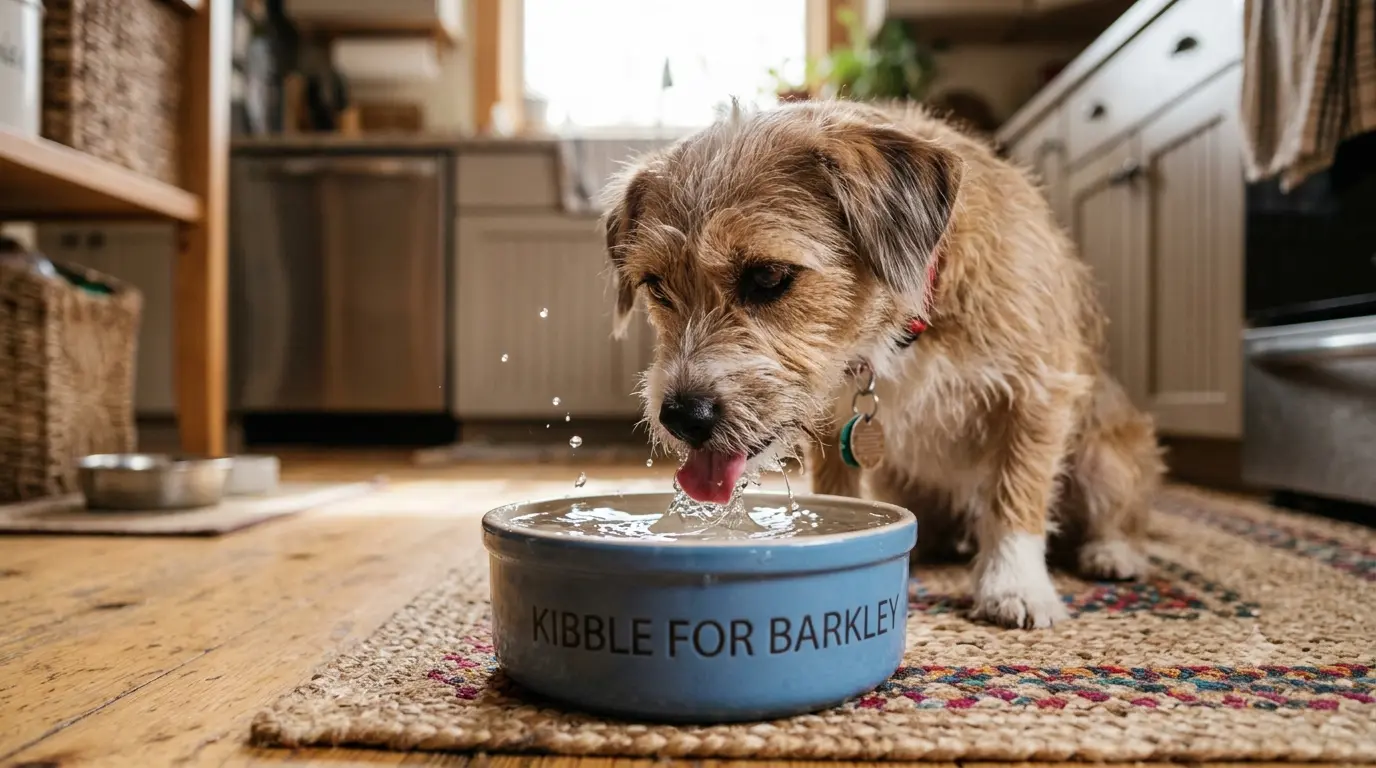
How Much Water Should a Dog Drink Daily?
A useful rule of thumb is that a dog needs roughly one ounce of water per pound of body weight per day—so a 30-pound dog needs somewhere around 30 ounces, a little under a liter. That’s a guideline, not a rigid target: activity level, weather, and diet all shift the numbers. Dogs on wet or fresh food get a lot of moisture from meals and may drink less from the bowl, while dogs on dry kibble drink more to compensate.
What matters most is consistency over time. A day where your dog drinks a bit less isn’t a crisis, but a sudden, sustained change—drinking far more or far less than usual—is worth a vet’s attention, since big shifts in thirst can signal underlying health issues.
Why Does My Dog Refuse to Drink Water from a New Bowl?
You bring home a shiny new bowl and your dog treats it like a trap. Frustrating, but there’s usually a sensible reason.
The Metal Noise and Reflection Problem
Stainless steel bowls are hygienic, but they come with quirks some dogs dislike. They can create odd reflections and moving shapes on the water’s surface that a wary dog finds unsettling. They’re also noisy—tags clinking against metal, or the bowl scraping the floor, makes sounds that put sensitive dogs off. If your dog balked the moment you switched to metal, this is likely why.
Plastic Smells and Whisker Discomfort
Plastic bowls have their own issues. They can hold onto odors and flavors that your dog’s powerful nose picks up long after washing, making the water taste “off” to them. And deep, narrow bowls of any material can press against a dog’s sensitive whiskers as they drink, which some dogs find annoying enough to avoid. It’s the same discomfort that leads some dogs to carry food out of their bowl to eat elsewhere—a wide, shallow bowl often solves both.
Easy Ways to Encourage a Dog to Drink More Water
If your dog is a reluctant drinker, a few small changes usually move the needle.
Add Moisture to Their Food
One of the simplest tricks is sneaking water into meals. Add a splash of water to dry kibble, mix in some wet food, or stir a little unsalted broth into their dinner. Your dog gets hydration without ever visiting the bowl, and most dogs love the extra flavor and aroma. This is especially handy for dogs recovering from illness or older dogs who aren’t drinking well.
Offer Fresh, Moving Water
Many dogs instinctively prefer running water to a still bowl—flowing water reads as fresher, and it’s simply more interesting. A pet water fountain circulates and filters water continuously, which encourages a lot of dogs to drink more. Even without a fountain, refreshing the bowl with clean, cool water a couple of times a day makes it far more appealing than water that’s sat out for hours collecting dust and drool.
Make Water Easy to Find
Put out multiple bowls around the house and yard so water is never more than a few steps away. Keep them away from noisy appliances and busy walkways, and add an extra bowl in hot weather. On outings, bring water along—our guide on feeding and hydrating your dog on road trips and hikes covers travel hydration in detail.
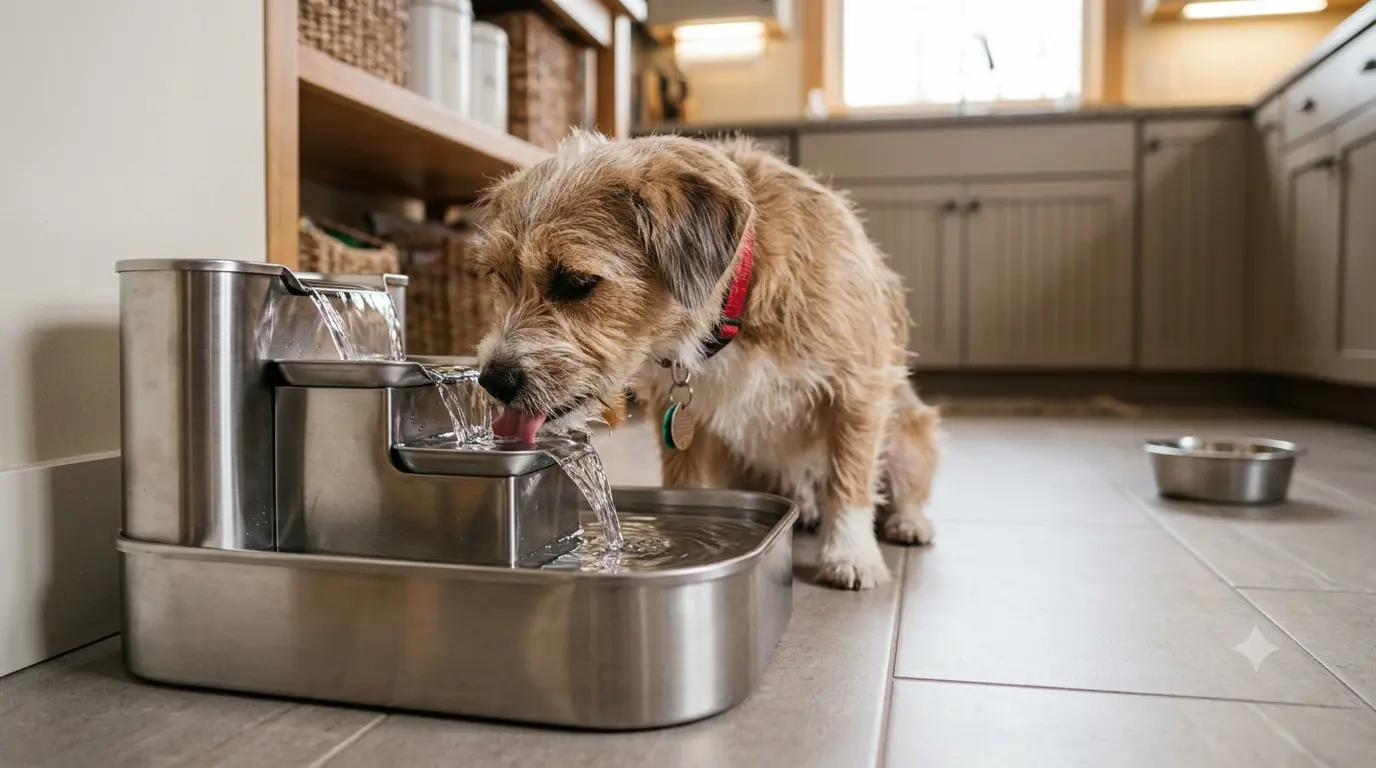
How to Clean a Dog Water Fountain (Getting Rid of Mold and Slime)
Fountains encourage drinking, but that circulating water needs upkeep, or you get the exact opposite of fresh: a slippery film of biofilm and, eventually, mold.
A Simple Cleaning Schedule
That slimy coating is biofilm—a layer of bacteria that builds up on wet surfaces. Left alone, it can develop into mold and make the water genuinely unappealing (and unhealthy). Rinse the bowl and wipe down surfaces every day or two, do a full disassembly and scrub weekly, and replace filters on the manufacturer’s schedule. A set of narrow brushes is invaluable for reaching the tubing and pump crevices where slime hides.
Safe Cleaning Solutions
For a deeper clean, a solution of diluted white vinegar and water cuts through biofilm and mineral buildup naturally, and it’s safe for pets once thoroughly rinsed. Scrub every part, paying special attention to the pump and any narrow channels, then rinse well so no vinegar taste lingers—or your freshly cleaned fountain might get snubbed for smelling wrong. Avoid harsh chemical cleaners unless they’re pet-safe and fully rinsed.
Choosing an Easy-to-Clean Fountain
If you’re shopping for a fountain, cleaning ease should be near the top of your list. Stainless steel and ceramic models resist odors and biofilm better than plastic and are simpler to sanitize. Look for a design that fully disassembles without special tools, has few tight crevices, and uses replaceable filters you can actually find and afford long-term.
The Bottom Line
Most hydration hiccups come down to the bowl, not the dog. Give your dog fresh, appealing water in a wide, quiet, non-reflective bowl (or a clean fountain), add moisture to meals, and keep water sources spread around and spotless. Watch the overall trend rather than any single day—and if your dog’s thirst changes dramatically in either direction, check with your vet, since that can be an early clue to a health issue.
Frequently Asked Questions
How do I get my dog to drink more water?
Add moisture to their meals (a splash of water, wet food, or unsalted broth), offer fresh water in multiple spots, and try a pet fountain, since many dogs prefer moving water. Keeping bowls clean, cool, and away from noise also makes drinking far more appealing.
Why does my dog refuse to drink water from a new bowl?
New bowls can be off-putting for a few reasons: metal ones create reflections and noise, plastic ones hold onto smells, and deep, narrow shapes can press on a dog’s whiskers. Try a wide, shallow ceramic or stainless bowl placed in a quiet spot, and give your dog time to adjust.
How much water should my dog drink each day?
A common guideline is about one ounce per pound of body weight daily, adjusted for activity, weather, and diet—dogs on wet food drink less, dogs on kibble drink more. Consistency matters more than hitting an exact number; a sudden, lasting change in thirst warrants a vet check.
How do I clean mold and slime out of a dog water fountain?
Disassemble it and scrub every part, using narrow brushes for the tubing and pump. A diluted white vinegar-and-water solution cuts through biofilm safely; rinse thoroughly afterward. Wipe it down every day or two, deep-clean weekly, and replace filters on schedule to prevent buildup.
Is it bad if my dog suddenly drinks a lot more or less water?
A sudden, sustained change in either direction is worth a vet’s attention. Big shifts in thirst can be early signs of underlying health conditions, so while a single quieter day is usually nothing, a clear ongoing change should be checked out.